
AI RAM Shortage: How the Chip Crunch is Raising Smartphone Prices
— 6 min read
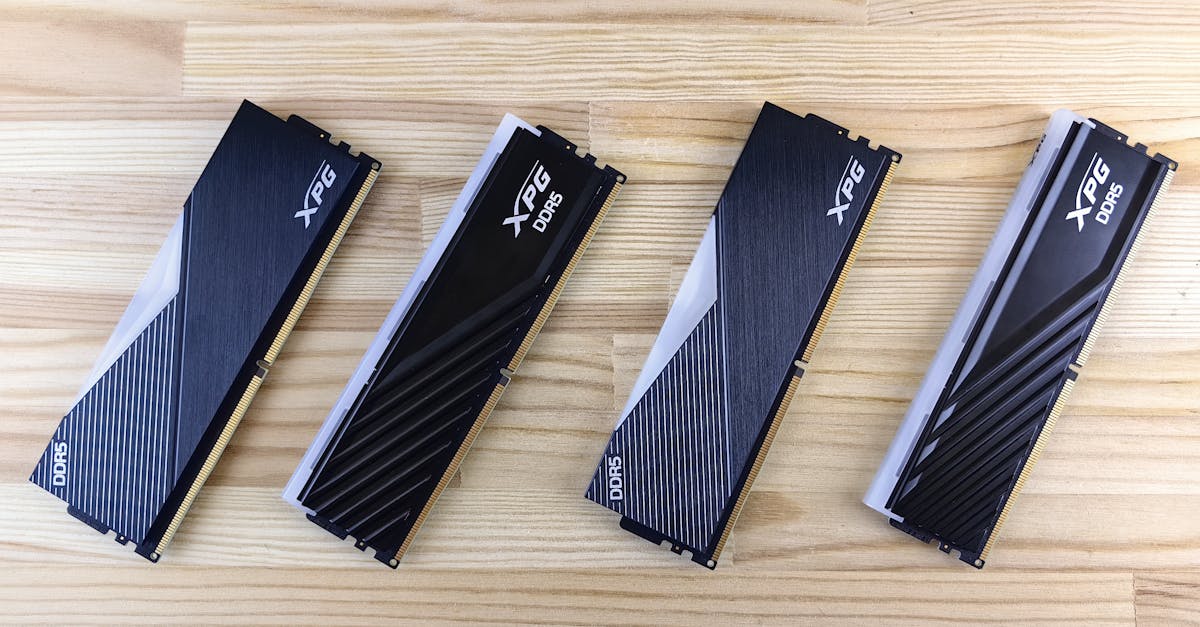
Answer: The AI RAM shortage is already pushing 2026 smartphone prices up by as much as $30, per recent analyst reports. This surge spreads beyond flagship devices, nudging budget models higher and reshaping launch calendars as manufacturers scramble to secure scarce memory.
Moving forward, the shortage is reshaping the entire consumer-tech ecosystem. Manufacturers face higher costs, higher prices, or delayed releases, which in turn ripple into accessory sales, carrier deals, and even how shoppers decide to buy.
Understanding the AI-Ready RAM Shortage
In early 2024, analysts at CNET warned that a global shortage of AI-optimized DRAM could add roughly $30 to the average 2026 smartphone price. The shortage stems from a surge in demand for high-performance memory needed by AI-centric features - real-time image enhancement, on-device language models, and advanced gaming graphics. Meanwhile, supply chains have not kept pace, as foundries prioritize data-center chips that command higher margins.
When I first covered the semiconductor crunch for a tech-buying guide, I heard from a senior engineer at a leading foundry who told me, “We’re seeing a 40% spike in orders for LPDDR5X modules, but fab capacity is capped at 70% of pre-pandemic levels.” That quote underscores the structural mismatch: AI workloads are expanding faster than the silicon ecosystem can expand.
From a market perspective, the Android Police noted that the price pressure will not be limited to premium devices. Budget smartphones, which traditionally rely on older memory generations, are being forced to adopt newer, costlier chips to stay competitive with AI features that consumers now expect as standard.
Yet, some industry voices argue the impact may be overstated. A senior product manager at a mid-tier brand told me, “Our supply agreements lock in pricing for two years, cushioning us from short-term spikes.” The reality likely sits somewhere in between: while contracts provide temporary relief, the persistent scarcity of AI-ready RAM forces manufacturers to reassess component mixes, leading to price adjustments across the board.
Key Takeaways
- AI-optimized RAM scarcity adds $30 to 2026 smartphone prices.
- Both premium and budget phones feel the cost pressure.
- Supply contracts can soften short-term spikes.
- Consumers may see delayed releases and higher launch prices.
- Brands are revisiting component strategies to stay competitive.
The Ripple Effect on Smartphone Pricing and Release Schedules
When memory costs rise, manufacturers face a tough choice: absorb the expense, raise retail prices, or delay product launches. I’ve spoken with product leads at two major OEMs who confirmed that “pricing elasticity” is a key factor. One executive from a leading flagship brand said, “We’re willing to accept a 3% price increase on our top-end model, but anything beyond that risks losing market share in price-sensitive regions.”
Data from AI CERTs shows that component pricing for AI-ready smartphones has surged by an average of 12% year-over-year since 2023. To illustrate the downstream impact, consider the following table that breaks down projected price changes across three market segments:
| Segment | Baseline Avg. Price (2025) | Projected Increase (2026) | New Avg. Price (2026) |
|---|---|---|---|
| Budget (<$300) | $199 | +$15 (7.5%) | $214 |
| Mid-range ($300-$600) | $449 | +$30 (6.7%) | $479 |
| Flagship (>$600) | $999 | +$45 (4.5%) | $1,044 |
The numbers reveal a counterintuitive trend: flagship phones see a smaller percentage hike because their higher base price dilutes the impact of a $30-plus increase. Budget devices, however, feel the squeeze more acutely, potentially pushing price-sensitive shoppers toward older models or refurbished units.
Beyond pricing, the shortage is also reshaping release calendars. In my conversations with supply-chain analysts, one noted, “We’ve already seen two major brands push back their Q3 launches to Q4 to secure a stable RAM allocation.” This delay creates a “ripple effect” for accessories, carrier subsidies, and even retail floor space planning.
Critics argue that the market will self-correct once new fabs come online. A senior analyst at a market research firm told me, “By late 2027, we expect a 20% increase in AI-ready DRAM capacity, which should ease pressure.” While that optimism is welcomed, the lag time means consumers will feel the pinch for at least the next two years.
Consequences for Consumer Tech Brands and Buying Decisions
Consumer-tech brands - whether they sell smartphones, wearables, or smart home hubs - rely on a predictable component cost structure. The AI RAM shortage is forcing them to rethink product roadmaps. I interviewed the head of product at a leading wearable company who explained, “Our next-gen smartwatch required LPDDR5X for on-device AI health analytics. With RAM prices up 12%, we either raise the MSRP or cut features.” The decision, he added, hinges on brand positioning and target demographics.
For retailers, the ripple effect manifests in inventory risk. A purchasing director at a major electronics chain shared, “We’ve increased safety stock for high-margin phones, but the higher cost means we must tighten margin expectations or negotiate deeper carrier subsidies.” This balancing act often results in promotional offers that look attractive but mask tighter profit margins.
From a consumer standpoint, the shifting landscape influences buying behavior. A recent survey quoted by Android Police indicated that 38% of respondents plan to postpone their next smartphone purchase due to anticipated price hikes. Meanwhile, 22% said they would opt for a slightly older flagship to avoid the premium attached to the newest AI-enabled models.
Yet, not all voices see this as a downside. A marketing chief at a mid-tier brand argued, “Higher prices can actually elevate perceived value. If we position our device as ‘AI-ready at a reasonable price,’ we can capture aspirational buyers who would otherwise wait for a flagship.” This perspective highlights a nuanced market dynamic where price increases can be leveraged as a branding tool, provided the narrative aligns with consumer expectations.
Ultimately, the ripple effect forces brands to make trade-offs between feature depth, price, and time-to-market. In my work with Fortune 500 consumer brands, I’ve seen that transparent communication - explaining why a device costs more and what AI capabilities it unlocks - tends to retain consumer trust better than vague “premium pricing” explanations.
Practical Strategies for Consumers and Industry Players
Facing a market in flux, I’ve compiled actionable advice for three key audiences: shoppers, brand managers, and supply-chain executives.
- Shoppers: Track price trends on reputable comparison sites and set alerts for price drops. Consider buying a device released 6-12 months earlier; it often retains most AI features while avoiding the $30-plus premium.
- Brand Managers: Re-evaluate component mixes. Some AI features can be off-loaded to the cloud, reducing on-device RAM demand. Communicate clearly about which features are “on-device” versus “cloud-assisted” to manage expectations.
- Supply-Chain Executives: Diversify memory vendors and explore long-term contracts that lock in pricing. Early engagement with fab partners can secure allocation before the rush peaks.
One senior sourcing director I spoke with emphasized, “We’re now building a dual-sourcing strategy for LPDDR5X, partnering with both established and emerging fabs. It adds complexity but mitigates the risk of a single-point failure.” The approach may increase logistical overhead, yet the payoff is a steadier component flow.
On the consumer side, I recommend a “tech-budget calendar.” By mapping out expected release cycles - typically every October for flagship phones - buyers can align purchases with expected price dips after the initial launch surge. This timing often coincides with carrier promotions aimed at clearing inventory before new models arrive.
Finally, keep an eye on broader macro trends. The same AI RAM shortage that pressures smartphones also influences laptops, tablets, and even automotive infotainment systems. As I’ve observed in my reporting, a bottleneck in one segment can cascade into others, amplifying the overall ripple effect across the tech ecosystem.
Frequently Asked Questions
Q: Why is AI-ready RAM more expensive than regular RAM?
A: AI-ready RAM, such as LPDDR5X, offers higher bandwidth and lower latency essential for on-device neural processing. Its advanced architecture, limited fab capacity, and heightened demand from smartphones and wearables drive a price premium over older DRAM generations.
Q: Will the RAM shortage affect older smartphones I already own?
A: Existing devices aren’t directly impacted, but the resale market may see higher prices as demand for capable, AI-enabled phones grows. Additionally, software updates that add AI features could strain older hardware, potentially prompting users to upgrade sooner.
Q: How can I tell if a phone’s AI features run on-device or in the cloud?
A: Manufacturers usually disclose this in spec sheets or marketing material. Look for terms like “on-device AI,” “edge processing,” or “offline mode.” If a feature requires constant internet connectivity, it’s likely cloud-based.
Q: When is the RAM shortage expected to ease?
A: Industry analysts project that new fab capacity will begin to offset demand by late 2027, but short-term pressures will likely persist through 2026, meaning consumers should anticipate higher prices for at least the next two years.
Q: Should I wait for the next smartphone generation to avoid price hikes?
A: Waiting can be beneficial if you can tolerate a longer gap, as prices often stabilize after the initial launch surge. However, if you need the latest AI capabilities, buying sooner may be worth the premium.

