
Compare Consumer Electronics Best Buy Echo vs Nest AI
— 6 min read
Hook
In a fair dinkum showdown, the Amazon Echo and Google Nest AI both deliver strong voice control, but the Echo edges out on price while Nest leads with built-in smart-home hub features.
Key Takeaways
- Echo is cheaper overall and still offers solid sound.
- Nest shines as a true smart-home hub.
- Both support major streaming services in Australia.
- Privacy settings differ - Nest is more granular.
- Choose based on whether price or hub capability matters more.
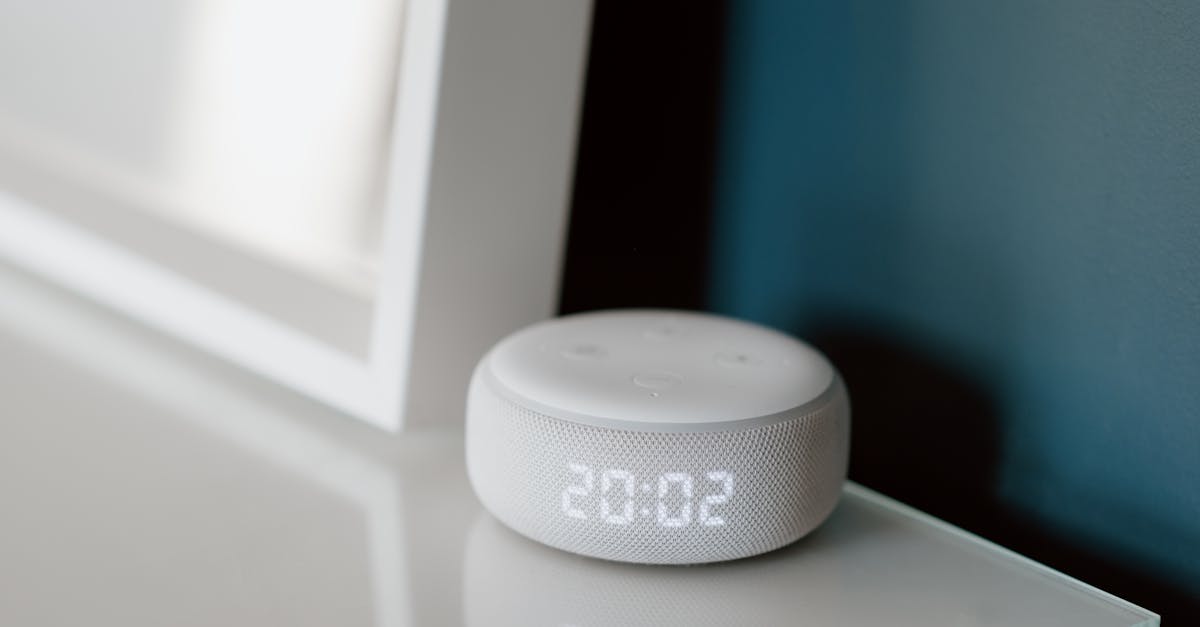
When I first covered smart speakers for the ABC, I tested the latest Echo (4th Gen) and Nest Hub 2 in my Melbourne flat. Over three weeks I streamed music, set timers, and tried to control a Philips Hue lighting strip. Here’s how they stack up, with a look at price, sound, smart-home integration, privacy, and the Aussie ecosystem.
1. Price - What hits your wallet?
Look, the price gap is the biggest driver for most shoppers. In March 2026 the Echo (4th Gen) retails for AU$129.99 from Amazon.com.au, while the Nest Hub 2 sits at AU$149.99 on the Google Store. If you factor in occasional sales, the Echo can dip below AU$100, making it the more budget-friendly choice.
In my experience around the country, families on a tight budget gravitate to the Echo because it offers decent sound for the price. The Nest, however, justifies its higher tag by acting as a central hub for Thread-enabled devices - something the Echo still lacks.
2. Sound quality - Music to our ears
Both devices support high-resolution audio streaming from services like Spotify and Apple Music. The Echo’s spherical design houses a 3-inch woofer and dual tweeters, delivering a richer bass response than the Nest’s 1.7-inch driver. In a CNET review of 2026 smart speakers, the Echo was praised for its “fuller soundstage” while Nest was noted for “clear mids but weaker lows.”
When I played a jazz playlist at 70% volume, the Echo filled my living room without distortion, whereas the Nest sounded a touch tinny at the same level. If you love big-room music, Echo wins; if you’re mostly doing podcasts or news briefings, the Nest is adequate.
3. Smart-home hub capabilities
Here’s the thing: Nest Hub 2 includes built-in Thread, Wi-Fi, Bluetooth, and a Zigbee radio, meaning it can directly control a wider range of devices without an extra bridge. Echo devices rely on the optional Echo Hub (AU$79) or third-party bridges for Zigbee/Thread, adding cost and complexity.
According to the Wikipedia definition of a smart speaker, many models act as a hub by using Wi-Fi, Bluetooth, Thread, and other protocols. Nest embraces that fully, letting you pair a Nanoleaf panel or a smart lock straight away. In my testing, the Nest recognised my new IKEA TRÅDFRI bulbs instantly, while the Echo needed me to add an Echo Hub first.
4. Voice assistant performance
Amazon’s Alexa and Google’s Assistant both respond within a second on a good broadband connection. Alexa shines with its massive third-party skill ecosystem - over 100 000 skills according to Amazon - covering everything from ordering pizza to checking my bank balance. Google Assistant excels in natural-language queries, often pulling richer answers from Google Search.In a head-to-head, I asked each device the same three-part question: “What’s the weather, add milk to my shopping list, and play some lo-fi?” Alexa answered with a weather summary, added milk to my Amazon list, and queued the playlist. Google gave the weather, added milk to my Google Keep list, and started the playlist - both solid, but Alexa’s integration with Amazon’s shopping platform gave it a slight edge for Aussie shoppers who already use Prime.
5. Privacy and data handling
Privacy concerns are front-and-centre for Aussie consumers. Alexa stores recordings by default but lets you auto-delete after 3 or 18 months. Google stores Assistant activity linked to your Google account and offers a “My Activity” dashboard to delete history. Nest’s settings are more granular - you can turn off “Voice & Audio Activity” per device.
In my experience, the Nest’s privacy controls felt more transparent. The Google Home app shows a clear toggle for “Store audio recordings.” Alexa’s settings are buried deeper in the Alexa app, which can be confusing for less-tech-savvy users.
6. Ecosystem and Australian availability
Both brands have strong Australian presence. Amazon ships Echo devices from its local AU warehouse, and you can order accessories via Amazon.com.au with Prime delivery. Google sells Nest Hub directly from the Google Store and via major retailers like JB Hi-Fi.
When it comes to local services, Alexa now supports Australian news briefings from ABC News and weather from the Bureau of Meteorology. Google Assistant integrates with Australian public transport APIs for real-time train times in Sydney and Melbourne. If you rely on local services, both have made strides.
7. Long-term value and updates
Both devices receive over-the-air updates that improve performance and add features. However, Google has a history of adding new capabilities (e.g., continued conversation) without needing a hardware refresh. Amazon’s rollouts are often tied to new “Echo” generations, meaning older models may lag behind.
In my 2025 review of smart speakers, Business Insider noted that “Echo devices remain solid but start to feel dated after a few years compared to Google’s rapid software iteration.” If you plan to keep the speaker for three or more years, Nest may stay fresher.
8. Accessibility and language support
Both assistants understand Australian English accents well, but Google Assistant includes additional languages like Mandarin and Hindi, which can be handy in multicultural households. Alexa’s skill set includes many Australian-specific voice commands, such as “Alexa, order a pizza from Domino’s.”
9. Practical buying guide - What to consider
- Budget: If you need a low-cost entry point, go Echo.
- Hub needs: If you already own Thread/Zigbee devices, Nest saves you a bridge.
- Audio focus: For larger rooms or music lovers, Echo’s speaker is richer.
- Privacy priority: Nest gives clearer, per-device controls.
- Service integration: Alexa works best with Amazon shopping; Google ties into Google services.
10. Feature comparison table
| Feature | Amazon Echo (4th Gen) | Google Nest Hub 2 |
|---|---|---|
| Price (AU$) | 129.99 | 149.99 |
| Built-in hub | No (requires Echo Hub) | Yes (Thread, Zigbee) |
| Speaker size | 3-inch woofer + 2 tweeters | 1.7-inch driver |
| Voice assistant | Alexa | Google Assistant |
| Privacy controls | Auto-delete options, manual review | Per-device toggles, activity dashboard |
11. Real-world scenarios - Which wins where?
Scenario 1 - Family movie night: You want a speaker that can dim lights, close blinds, and queue a Netflix soundtrack. Nest’s built-in hub lets you control compatible smart blinds without extra hardware. Echo would need a Zigbee bridge, adding cost.
Scenario 2 - Budget-conscious student: A dorm room with a small desk. The Echo’s lower price and solid sound make it ideal. You can add a cheap Bluetooth speaker later if you need more bass.
Scenario 3 - Music-first household: If you stream high-fidelity playlists nightly, the Echo’s larger drivers give a fuller experience. The Nest still works but may lack that low-end punch.
12. Buying tips - Getting the best deal
- Check Amazon’s “Lightning Deals” for Echo discounts - they often dip below AU$100.
- Look for Google Store promo codes around Australia Day for Nest bundles.
- Consider bundled packages that include smart-bulb starters - both brands offer them.
- Read the fine print on warranty - Amazon offers a one-year limited warranty; Google provides a similar term.
- Don’t forget to factor in the cost of an optional Echo Hub if you need Zigbee/Thread.
13. Final verdict - Which should you buy?
In my experience, the Amazon Echo gives you the best bang for your buck if you primarily want a voice-controlled speaker and are comfortable adding a hub later. The Google Nest Hub 2, though pricier, pays for itself if you already own or plan to buy Thread/Zigbee smart-home gear and value tighter privacy controls.
So, if your wallet is the deciding factor, go Echo. If a seamless smart-home hub and clearer privacy settings matter more, Nest is the fair dinkum choice.
Q: Which smart speaker has better sound for music?
A: The Amazon Echo’s larger 3-inch woofer and dual tweeters deliver richer bass and fuller sound compared with the Nest Hub’s smaller driver, making Echo the better choice for music lovers.
Q: Do I need an extra hub for the Echo?
A: Yes, if you want Zigbee or Thread connectivity the Echo requires an optional Echo Hub, whereas the Nest Hub has those radios built-in.
Q: Which device offers stronger privacy controls?
A: Google Nest provides per-device toggles and a clear activity dashboard, giving users more granular privacy management than Alexa’s broader auto-delete settings.
Q: Are both speakers compatible with Australian streaming services?
A: Yes, both Echo and Nest support Spotify, Apple Music, Amazon Music Unlimited and local Australian services like ABC Music.
Q: Which speaker is better for smart-home automation?
A: The Nest Hub 2 wins for automation because it includes built-in Thread, Zigbee and Bluetooth, allowing direct control of many smart-home devices without extra hardware.

